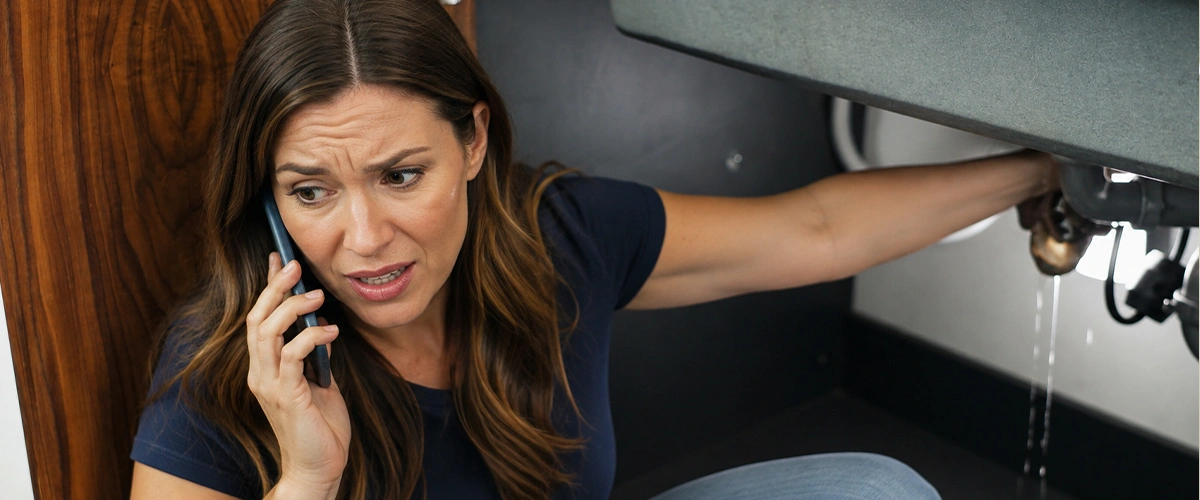
A plumbing pipe doesn’t wait to burst at your convenience. It usually shows up on a weekend, when you are standing in a puddle trying to remember where the shutoff valve even is. That is exactly why emergency plumbing 101 matters. It is something you want to already know before you are standing in that puddle. In this blog by Parzival Plumbing, we will discuss the plumbing basics of your home plumbing system and explain what to do when something goes wrong. Whether you are dealing with a leak, a clogged drain, or a burst pipe, you will learn practical steps to protect your home before calling a professional plumber.
What is Emergency Plumbing?
Emergency Plumbing begins with understanding that emergency plumbing covers any plumbing issue that needs immediate attention because it affects your home, health, or safety. Think burst pipes, major water leaks, sewer backups, or a toilet overflow that won’t stop. Not every plumbing problem is an emergency. A slow drip under the sink can usually wait until morning. But a pipe spraying water across your kitchen cannot. That is when you need emergency plumbing services. The goal of this Emergency Plumbing 101 guide is to help you tell the difference, and to give you a clear plan for both situations.
Plumbing Basics Every Homeowner Should Know
If you are new to home maintenance, this section makes plumbing for beginners easy to understand.
Water Supply
This is the network of pipes that brings fresh water into your home plumbing system under pressure. It feeds your sinks, showers, toilets, and appliances.
Drain System
Once water has been used, it needs somewhere to go. That is the drain system’s job, moving wastewater away from your plumbing fixtures, which is why proper slope and venting matter so much.
Shut Off Valve
Every home has a main shut-off valve. Turning this valve clockwise stops water flow to your entire home. Knowing where it is located is one of the best plumbing tips for homeowners.
Water Heater
This unit heats and stores the water for your showers, dishwasher, and washing machine. They are one of the common sources of leaks as they age. Regular water heater maintenance can help prevent unexpected failures.
Sewer Line
The sewer pipe line carries wastewater down the line. A clog or break here affects every drain in the home. It is also one of the most common searched plumbing problems that requires professional repairs.
Most Common Searched Plumbing Problems
These are the most common searched plumbing problems homeowners run into and search for most often.
Leaky Faucets
The main reason behind the leaky faucet is a worn washer or O-ring. A leaky faucet is very irritating. Even a small water leak adds up on your water bill.
Burst Pipes
Burst pipes are caused by freezing temperatures, old age, or too much water pressure. Many homeowners need emergency plumbing services when a burst pipe causes flooding.
Clogged Drains
Hair, grease, soap scum, and food waste are the usual culprits in kitchen plumbing and bathroom plumbing. Follow regular drain cleaning to avoid blockages.
Running Toilets
A faulty flapper or fill valve keeps water running long after the flush, wasting gallons a day. A running toilet is a very common plumbing issue many homeowners face.
Low Water Pressure
Low water pressure can be due to a hidden leaking pipe, sediment buildup, or a partially closed shutoff valve. A plumbing inspection can help identify the exact cause.
Sewer Backup
Wastewater coming back up through drains is a sign of a sewer line blockage and needs urgent attention. Do not wait and contact an Orange County plumber.
Water Heater Issues
The signs of a water heater issue include no hot water, rusty water, or a puddle near the tank. Routine water heater maintenance helps reduce these problems.
Garbage Disposal Problems
Foreign objects or worn-out blades usually cause leaks or strange noises. Some simple obstructions can be cleared using DIY plumbing basics.
What To Do During a Plumbing Emergency 101
When something goes wrong, instead of having answers to every question, you should know what to do in that situation. These plumbing tips for homeowners can also help reduce expensive water damage. Here is a beginner-friendly action plan:
Shut Off the Water
If it is just one fixture, like a sink or toilet, use its local shut-off valve. If you cannot find the source or if it is a burst pipe, shut off the main valve right away.
Turn Off Electricity Near the Leak
If water is pooling near outlets, panels, or appliances, cut power to that area at the breaker. Water and electricity together are genuinely dangerous, so do not wait on this step.
Collect the Water
Grab towels, a bucket, or a wet vacuum to limit how far the water spreads. This is what actually keeps a leak from turning into serious water damage.
Take Photos
Capture the damage for insurance purposes before you start cleaning up. A few clear photos now can save a lot of back-and-forth with your insurer later.
Call an Emergency Plumber
Reach out to an emergency plumber if the situation involves a burst pipe, sewer backup, or anything you cannot safely stop yourself. Waiting rarely makes these problems smaller.
Ventilate the Area
Open windows if you smell gas or notice damp, musty air building up. Fresh airflow reduces mold risk and helps clear any lingering gas odor until help arrives.
DIY Plumbing Basics Every Beginner Should Learn
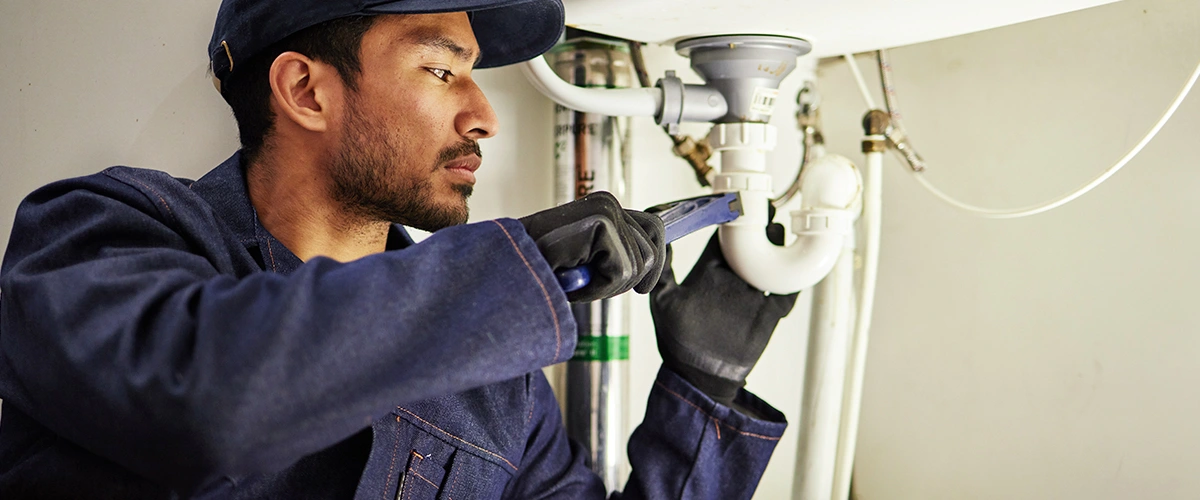
Learning a few DIY plumbing basics can help beginners handle small repairs safely because the risk of making things worse is low and the tools are simple.
Safe to try yourself:
- Plunging a clogged toilet or slow sink drain
- Replacing a worn washer in a dripping faucet
- Cleaning a p-trap under the sink
- Adjusting or replacing a toilet flapper
- Using plumber’s tape on a leaking pipe thread
Better left to a professional plumber:
- Anything involving the main sewer line
- Gas line connections near a water heater
- Cutting into walls or slabs to access pipes
- Repiping or major water heater installation
- Any leak you cannot fully locate or stop
The difference comes down to risk. A flapper replacement, done wrong, means you try again. A mishandled sewer line repair can mean sewage backing into your home. When the mistake is expensive to fix, that is your signal to call a professional plumbing company like Parzival Plumbing instead of pushing through.
Plumbing Tips for Homeowners
These plumbing tips for homeowners can help keep your home plumbing system in good condition and reduce unexpected repairs.
- You should know where your main shutoff valve is before you need it. Test it once a year so it does not seize up.
- Never pour grease down kitchen drains. It hardens and causes clogs further down the line.
- Keep water pressure below 80 psi. Consistently high pressure strains pipes and fixtures over time.
- Schedule a plumbing inspection every year or two. Even if nothing seems wrong, small issues are cheaper to catch early.
- Avoid chemical drain cleaners on a regular basis. They can corrode older pipes over time.
Plumbing Maintenance Checklist
Following this plumbing maintenance checklist helps prevent many common plumbing problems before they become emergencies.
Frequency | Task |
Monthly | Run water in unused drains to prevent dry traps and odors |
Monthly | Check under sinks for early signs of a water leak |
Monthly | Test water pressure at a faucet |
Every 6 Months | Flush the water heater to clear sediment buildup |
Every 6 Months | Inspect exposed pipes for corrosion or condensation |
Every 6 Months | Clean faucet aerators and showerheads |
Yearly | Schedule a professional plumbing inspection |
Yearly | Test the main shut-off valve |
Yearly | Sewer line camera inspection if your home is older than 20 years |
Yearly | Check caulking around tubs and toilets for water damage risk |
DIY Fix vs Call a Professional
One of the biggest lessons in Emergency Plumbing 101 is knowing when it is time to stop troubleshooting and call a professional.
Clogged Toilet or Sink
Try plunging first. Call a professional if plunging does not clear it after 2–3 tries.
Dripping Faucet
Replace the washer or cartridge yourself. Call a professional if the leak continues after that.
Burst Pipe
If ever experienced a burst pipe, it is not a DIY job. Call a professional immediately.
Running Toilet
Replace the flapper yourself. Call a professional if that does not stop the running.
Sewer Backup
During a sewer backup, do not try any DIY. Contact a certified plumber.
Low Water Pressure
Check the aerators yourself first. Call a professional if the cause is not obvious.
Water Heater Not Heating
Check the pilot light or breaker yourself. If you do not find anything, ask for expert help.
When Should You Call an Emergency Plumber?
Call immediately if you notice any of the following:
- A burst pipe or water spraying that you cannot stop at the source
- Sewage backing up into sinks, tubs, or the shower drain
- No water throughout the home
- A gas smell near your gas water heater
- Water pooling near electrical outlets or panels
- A toilet overflow that continues after plunging
These situations are not worth troubleshooting alone. The cost of an emergency plumber is always smaller than the cost of water damage. Moreover, it leads to expensive home repairs. In such a situation, don’t wait for a second. Contact our team for immediate service.
Final Thoughts
Plumbing emergencies rarely give you advance notice. Understanding Emergency Plumbing 101 and the plumbing basics helps you react with confidence. Shut off the water, protect your home, and know which repairs are safe to try yourself. If you have tried all the quick fixes, but the issue stays the same, then Parzival Plumbing is ready to help with 24/7 emergency plumbing services in Orange County. Reach out to our team today for an inspection, a repair, or round-the-clock emergency support before a small issue becomes a costly one.
Frequently Asked Questions
How do I know if my plumbing problem is a real emergency?
If water is actively flowing and you cannot stop it, or if you are dealing with sewage backup, no water at all, or a gas smell, it is an emergency. If you are trying to solve the issue on your own, you should know DIY plumbing basics before you start.
Can I use a chemical drain cleaner for a clogged drain?
Chemical drain cleaners should not be used regularly. They can damage older pipes over time and can lead to another plumbing emergency. Moreover, they are not helpful in the case of tree roots or deep sewer line issues.
How often should I get a plumbing inspection?
Once a year works fine for most homes. Always go for a plumbing maintenance checklist between inspections. It can help you find out small leaks, worn parts, and other plumbing issues before they turn into costly repairs.
What is the first thing I should do if a pipe bursts?
Shut off your main water valve immediately, then turn off nearby electricity if water is close to outlets or panels. Remove the excess water with towels or a bucket while you wait for help.
Why does my water heater leak, and is it dangerous?
Usually it is a failing tank, a loose fitting, or a worn-out pressure relief valve. It is not an emergency plumbing 101 on its own, but worth getting checked soon. A full tank failure can result in a flooded situation sometimes.