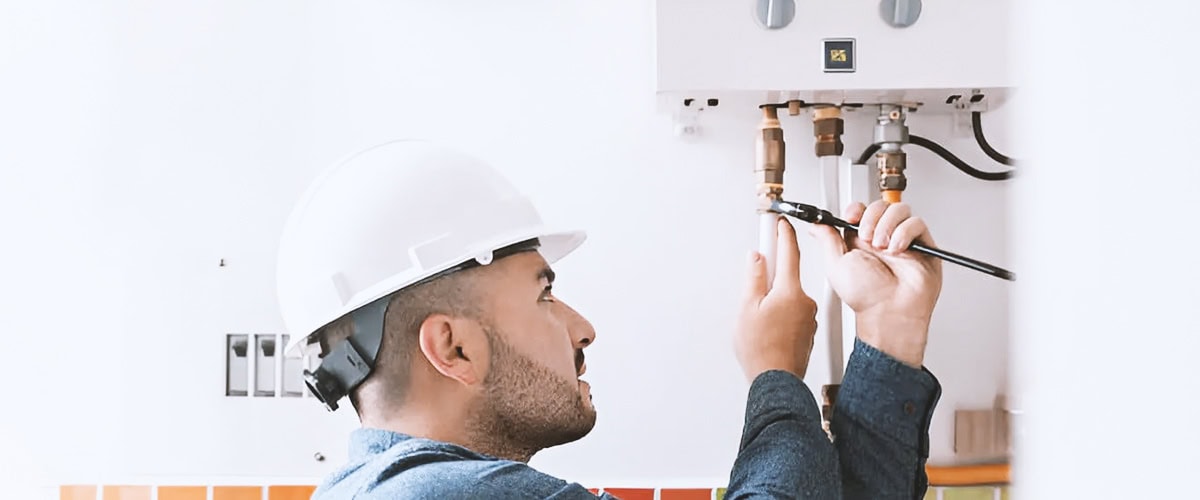
When the demand for hot water increases in residential and commercial apartments, tankless water heater installation becomes essential. In a traditional tank water heater, water is continuously heated; on the other hand, the tankless water heater is heated only when it is needed. It will help you save energy. Apart from this, its ability to offer endless hot water and compact design appeals to many people. So, let’s talk about the process of installing a water heater properly. We will also consider the tankless water heater installation cost and important considerations.
How Does a Tankless Hot Water Heater Work?
Before installation, let’s learn how the tankless water heater works. This system heats the water directly on demand. Unlike a traditional tank water heater, this doesn’t require a storage tank. Only turn on the hot water tap, and the cold water gradually travels through the heater and then provides hot water on the other end. Tankless water heaters have heat-exchanging elements. Like, in an electrical tankless water heater, there is an electrical element, whereas a gas-powered tankless water heater contains a gas burner.
Advantages of a Tankless Hot Water Heater
Everyone is shifting towards a tankless water system as there are plenty of benefits to choosing this type of water heater instead of a traditional one.
- Energy Efficient – This water heater delivers water on demand or whenever it is needed. This saves on electricity bills, as there is no need to turn on the water heater before you need it.
- Appropriate Size – The size of this kind of water heater is quite compact. It can also be mounted on a wall very easily.
- Endless Capacity – There is no tank required for this type of water heater. Therefore, there will be no shortage of hot water.
How to Choose the Right Size Tankless Water Heater
Sizing comes down to how much hot water your home needs at one time. Start with the number of people in your household, since more people usually means more demand. Then count what might run together, like two showers and a dishwasher. Add up the flow rate for each, measured in gallons per minute (GPM). Next, figure out the temperature rise, which is the gap between your incoming water temperature and the temperature you want.
Installing a Tankless Water Heater
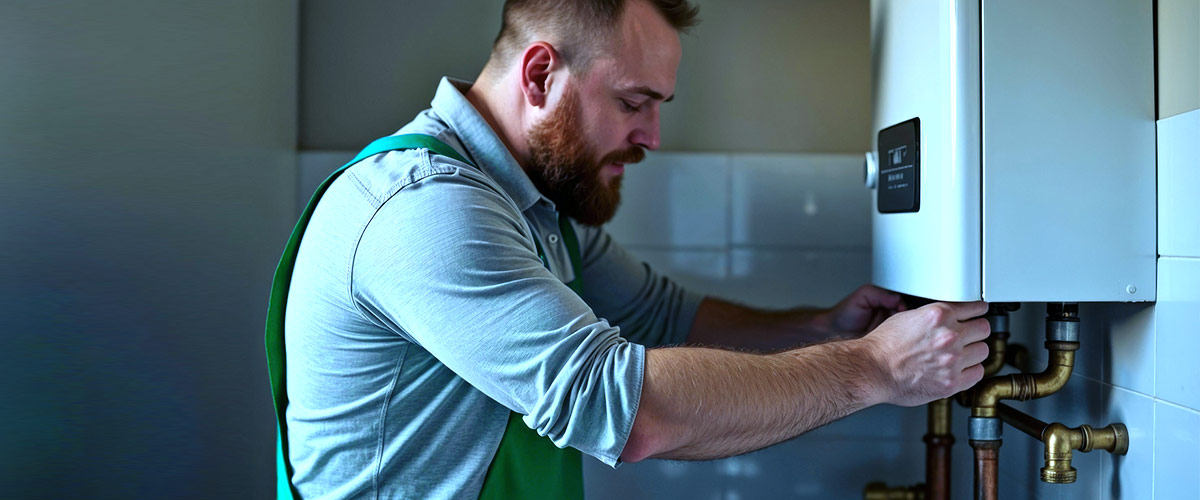
Installing a tankless water heater sounds quite difficult, especially when you don’t have the proper knowledge and tools. The steps involved in the installation are :
Select a Suitable Size And Type
It is crucial to know which size and type of tankless water heater will be suitable for your household. There are mainly 2 types of tankless water heaters:
Electric Tankless Water Heater – This type of water heater is good for smaller households. The installation process is quite easy. It doesn’t require a venting system.
Gas-Powered Tankless Water Heater – This is suitable for larger households. The procedure of installation is a little bit complex as it requires proper ventilation.
Tools and Materials
- Tankless water heater unit
- Adjustable wrenches and pipe wrenches
- Drill (for venting and mounting the unit)
- Gas or electrical connection materials
- Vent pipe (for gas unit)
- Teflon tape (to avoid leakage)
Choose an appropriate location
A water heater installation tankless should be where it is easier to do all maintenance, and it is near the electrical structure. An electric tankless heater is usually installed near the electrical panel where a proper connection can be made. A gas-powered tankless heater requires a venting system, so it can be installed outdoors or in an area where regular ventilation is available to avoid any hazards.
Cut the water and power supply.
Previous to installation, turn off the water supply and cut off the power to avoid any power risk and leakage of water.
Join all the water lines
Connect all the lines correctly. Join the cold water line to the inlet channel and the hot water line to the outlet channel of the unit. Make sure all connections are secure to avoid any leakage. Tighten the lines with the help of a wrench.
Installation of the venting system (for the gas-powered unit)
To install a gas-powered tankless water heater, a venting system is a priority. With the help of this system, all the combustion gases, like carbon monoxide, are safely vented. To do this, vent pipes are required, and ensure that the installation of vent pipes is done properly.
Assemble electrical and gas connections
For the electric unit, connect all the connections carefully to the electrical panel. Ensure that all connections are tight. Hiring a professional for this task is a good decision. For gas-powered units: Join the gas line with the unit vigilantly. Make sure all the attachments are compact and secure.
Turn on the power and examine
When all the connections are made, turn on the water and power supply. Check out the unit by turning on the faucet and looking into the hot water supply.
Gas vs. Electric Tankless Water Heater Installation
Electric Tankless Water Heater Installation
An electric tankless hot water heater installation starts with your electrical panel. These units pull a lot of power, so the panel needs enough spare capacity to handle the load. Most models also need their own dedicated circuit with heavy-gauge wiring and the right-size breaker. Your home’s existing wiring may not be up to it, and a licensed pro will check this before anything gets mounted.
Gas Tankless Water Heater Installation
Gas tankless water heater installation depends on your gas line size and pressure. A line that worked fine for a tank heater is often too small for a tankless unit. The heater also needs a proper vent to carry exhaust outside safely. Once the line, pressure, and venting check out, a plumber makes the gas connection and tests it for leaks.
Tankless Water Heater Installation Cost
The cost of Tankless Water Heater Installation varies. It depends on numerous aspects.
The costs involved are :
- System Cost: The Cost of a tankless water heater unit varies from $500 to $2500. It is based on type, size, and the brand of the heater.
- Installation Cost: Skilled professionals charge $800 to $2500. It depends on the type of unit. Electric units are cheaper compared to gas-powered units because they do not require a proper venting system.
- Modification Cost: If any upgrades or changes are required, such as an alteration in the gas line or in the electrical board. It will cost around $500 to $2000.
When Should You Replace a Tankless Water Heater?
If you are calling for repairs every few months, that is usually the first red flag. Other signs include water that swings between hot and cold, or a drop in how much hot water you get. Leaks and cracked or damaged parts are also a bad sign. Age matters too. Most units last about 20 years with regular maintenance, so a heater that is never flushed may give out sooner. Before tankless water heater replacement, a plumber should check your plumbing connections, gas or electrical supply, and venting to make sure the new unit fits the setup.
Key Points For Installation
- Hiring a professional: If you are unaware of electric connections and plumbing procedures, then hiring a professional for this job is a quite good approach. This process involves the installation of a venting system and gas line pipe in gas-powered models. Hence, hiring an expert would be a good decision.
- Proper Maintenance: To ensure the proper operation of your tankless water heater, make sure to schedule maintenance. Check that the filters work accurately.
Conclusion
Installing a Tankless Water Heater is worth the expenditure due to its endless capacity, appropriate size, and efficiency. Even though the cost of installation is quite high, it is cost-effective in the long run. Contact Parzival Plumbing for installing tankless water heaters in your households or private enterprises in Orange County.