Turn on a tap and water just shows up. Flush a toilet and everything just disappears. It is easy to forget that a network of pipes behind your walls does all that work. In this blog, we will discuss how a house plumbing system works, what its main parts do, and when it makes sense to call a plumber for a closer look.
How Does a House Plumbing System Work?
Did you know your house plumbing system is really two systems in one? Now you must be thinking, how? One delivers fresh water, and the other removes used water. Fresh water comes from a city main or a private well and enters the house through a supply line. It is pressurized, so it flows the second you open a valve. Once inside, it splits into plumbing hot and cold water lines heading to the kitchen, bathrooms, laundry area, and water heater.
Used water leaves through a separate set of pipes. These tilt slightly downward, which lets gravity do the pulling. Whatever goes down your sinks, showers, and toilets ends up in the main drain, then at the public sewer or a septic tank. In short, pressure moves water in, and gravity moves it out. The two systems never mix.
Main Components of Residential Plumbing Systems
Residential plumbing systems are not identical, but most contain the parts below.
Supply Side Parts
Water Supply Line
This is the pipe running underground from the street or well to your house. The material and depth vary with the home’s age and location.
Main Shut-Off Valve
One valve stops water to the entire home. Learn where it is now, because when a pipe bursts, you would not want to go hunting for it.
Pressure Regulator
Some homes have one, particularly where the utility’s pressure runs high. It brings that pressure down to a safer level for pipes and appliances.
Hot and Cold Water Lines
Plumbing hot and cold water lines run in pairs to most fixtures. Cold water comes straight off the supply line. Hot water starts cold, passes through the water heater, then travels in its own pipe.
Fixtures
These are the sinks, toilets, tubs, and showers you use every day. They contain rubber seals, hoses, and moving parts, so they are a common place for leaks to begin.
Drain and Vent Parts
Drains
Every fixture empties into a drain, and those drains join bigger branch lines on the way to the main. They need a steady downward slope. Without it, water lingers and backs up.
Traps
The curved pipe under your sink holds water that keeps sewer gas out. A drain left unused for weeks can dry out and let odors in.
Vent Pipes
Vents branch off the drain lines and finish above your roof. When a vent clogs, drains may gurgle or empty more slowly than they should.
Sewer or Septic Line
The last stretch carries wastewater to the public sewer or to a septic tank on your property. Who looks after that line depends on which one you have.
Why Is Regular Plumbing Maintenance Important?
Most of a house plumbing system sits out of sight, so a small problem can go on for months. Routine checks won’t stop every leak or clog, but they give you a decent chance of finding trouble early.
Leaks
A hidden drip can soften wood and stain ceilings. Peel under sinks once in a while and compare your water bills from month to month.
Clogs
Grease, hair, and flushable wipes cause plenty of blockages. A strainer in the shower drain helps. There is no universal cleaning schedule, so deal with a slow drain when you notice it.
Toilet
A toilet that runs on or flushes weakly usually needs an inexpensive part. Waiting only wastes water.
Water Pressure
Too much strains fixtures and appliances. Too little could mean a blockage or a supply issue. So it’s worth keeping an eye on as part of your residential pipe maintenance.
Sewer Line Trouble
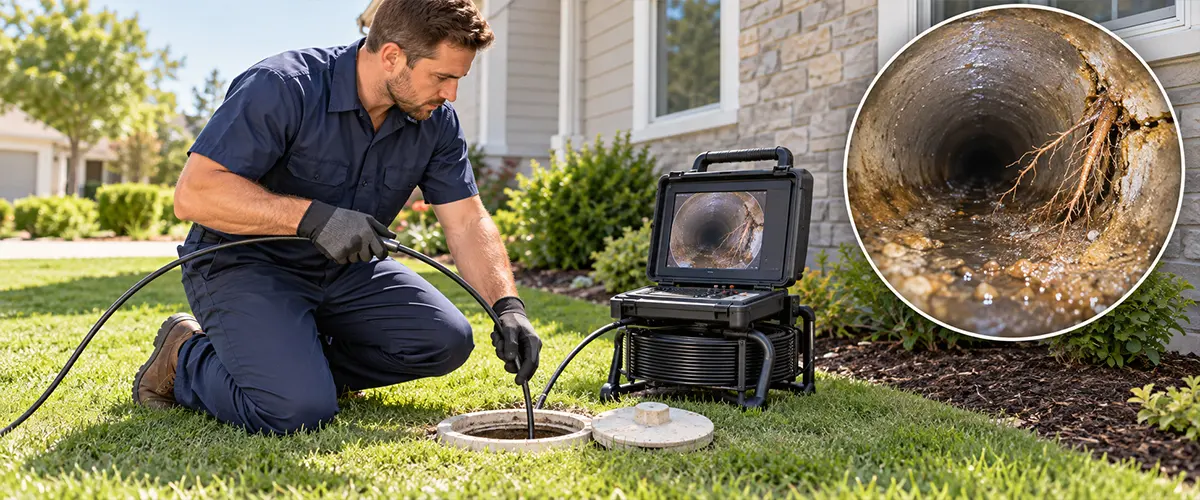
Roots, aging pipe, and shifting soil can damage it. When more than one fixture backs up together, suspect the main line.
Water Heater
Sediment settles at the bottom of tank heaters over time. Your manual will list how often to have it serviced.
When Does a Home Plumbing Inspection Make Sense?
A home plumbing inspection is worth it before you buy an older house, before a remodel, and whenever something feels wrong. A plumber can look over visible pipes, fixtures, drains, water pressure, and the water heater. A plumber’s visit is a smart move when you spot any of these signs:
- Stains, damp spots, or a musty smell on walls, ceilings, or floors.
- Pressure that suddenly drops or stays low in every room.
- Multiple drains running slowly or backing up at once.
- A leaking water heater or one making odd noises.
- Sewage odor near drains or outside.
Final Thoughts
The house plumbing system is less mysterious once you see the pattern. Pressurized water arrives, split into hot and cold lines, and reaches your fixtures. Sloped, vented drains then carry it away. If you know where your shut-off valve sits, you can limit damage fast when something fails. Parzival Plumbing helps homeowners in Costa Mesa and across Orange County with residential plumbing system problems. Noticed a leak, a clog that keeps returning, or something that just seems off? Contact Parzival Plumbing and get it checked.