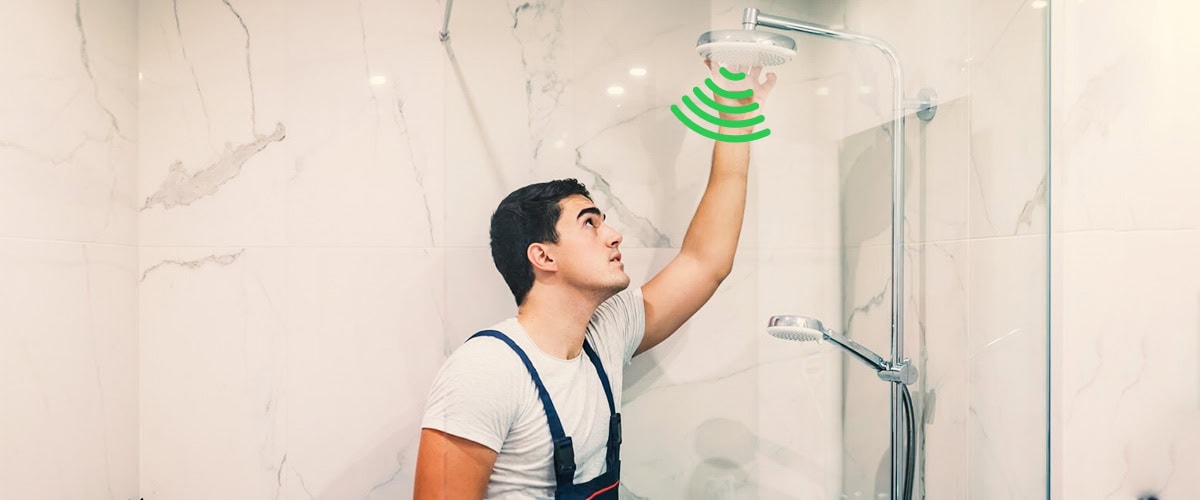
Do you ever experience a clicking or whistling sound when you turn on a shower? The source of this sound is somewhere inside the wall. This is hard to pin down. Sometimes, a whistling shower head is caused by mineral buildup that blocks the spray holes. Plenty of homeowners replace the head first, then learn the sound was coming from a worn valve. This blog will help you figure out where the sound is coming from.
Why Does My Shower Make a Ticking or Whistling Sound?
Many showers make these noises when water is forced through a narrow opening. A whistle or squeal can happen when water is forced through a narrow opening or restriction. The tick sound usually means a pipe is shifting against something. Sometimes , the issue can be with the valve or the water pressure. The sound alone cannot tell you exactly what is wrong. For this, the timing and the location also matter. Many homeowners search “why is my shower whistling?” They assume the showerhead is the cause, but the real problem is behind the wall.
Common Causes of a Whistling Shower Head
Mineral Buildup
Your shower has spray holes. Hard water leaves deposits there. This is a very common problem in much of Southern California. When the holes get narrow, water comes from the spray holes at more pressure, and this can create a whistling sound.
A Worn Shower Valve
There is a valve behind the handle that combines hot and cold water. When its parts wear down, water comes through a small gap and can squeal. This is the common answer to the most-searched question, “What causes a shower to whistle?”
Pipes Expanding with Heat
Pipes grow slightly when hot water runs through them. If one rubs against a strap or the wall framing, it can tick or creak a few seconds after the hot water arrives.
Loose Pipes
It is very important for pipes inside the wall to be fixed properly. If the pipes are loose, water flow can make them vibrate against the framing or other materials. This can create a whistling sound in the pipe, or you may hear a knock instead of a light tick.
Water Pressure Problems
High pressure, or a pressure imbalance between the hot and cold lines, can cause vibration, rattling, or whistling. A shutoff valve that is not fully open can restrict flow too, and that usually affects other fixtures as well.
Could the Showerhead Be Causing the Noise?
Often, Yes. A whistling shower head usually sounds different when you switch spray settings, which makes it one of the easier sources to spot. So you may be wondering, why does my shower head whistle? To understand this, water is passing through a space smaller, like pinching the end of a garden hose. Mineral deposits, a damaged washer or flow restrictor, or a head that is not installed properly on the shower arm can all do it. What causes a shower to whistle in this case is almost always a restriction right at the head.
Why Does the Sound Seem to Come From Inside the Wall?
Walls carry the sound well. Pipes are fastened to the framing, so a small vibration at the valve travels into the studs, drywall, and tile. The wall acts a bit like a speaker, and a noise can seem to come from a foot or two away from its real source. Pipes can also move where you cannot see them. A knock when you shut the water off is often a water hammer, where moving water stops suddenly and jolts a pipe.
How Can You Tell Where the Shower Noise Is Coming From?
- It changes with the spray setting, as the showerhead is the likely source.
- When you move the handle and the noise changes, it may be possible there is an issue with the valve.
- Pipes expand a little when hot water passes through them.
- It happens only with hot water because of pipe movement rather than the showerhead.
- A knock right after you shut the water off usually means water hammer or a loose pipe.
- Pipe or pressure issues can be the cause if the sound continues after the shower is off.
What Can You Check Yourself?
Stick to simple checks. None of these involve touching anything inside the wall.
- Run cold water followed by hot water. Notice whether the noise shows up with only one.
- Change the setting of the spray. If the showerhead whistles on only one spray setting, the passages for that setting may be partly blocked.
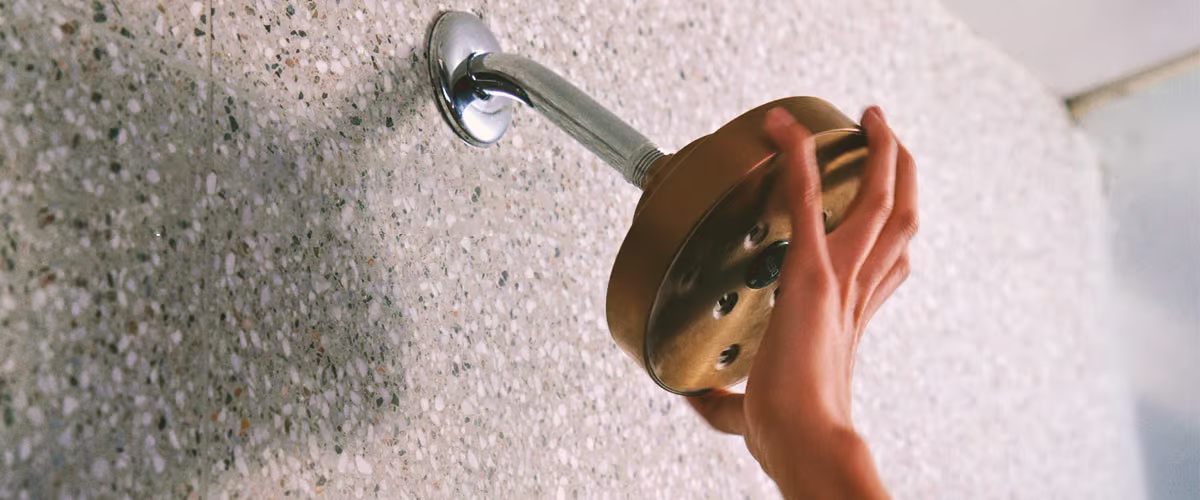
- If the showerhead can be removed safely, unscrew it by hand first. You can use a wrench with a cloth around the connection.
- Look for white, crusty deposits and check that the rubber washer is in place.
- Clean it and rinse off loose deposits. A white vinegar soak is common, but check the manufacturer’s care guidance first, since vinegar can damage some finishes.
- Reattach the showerhead according to the manufacturer’s instructions and make sure the connection is snug.
- Run other fixtures and see whether a sink or toilet makes a similar sound.
What If the Shower Head is Still Whistling?
If your shower head is still whistling after a good cleaning, the problem is either not the showerhead or not only the showerhead. The question shifts from “why is my shower whistling” to where the water is getting squeezed. Worn parts inside the valve are a common culprit, but so are a shutoff valve that isn’t fully open, uneven pressure, or a blockage in the supply line.
Try a different showerhead as a simple test. If the noise disappears after the swap, the old head was the cause. If your shower makes a whistling sound with the new head too, the cause is upstream. A whistling showerhead that survives cleaning and replacement is usually the point where a professional inspection saves time and guesswork.
When Should You Call a Plumber?
These are the cases where a plumber should take a look:
- The noise comes from inside the wall.
- Pipes bang or shake.
- Bubbling paint or a damp spot near the shower.
- The shower head still whistles after you have cleaned it, and you can’t tell why.
If you cannot tell where the sound is coming from, you may wonder if opening the wall is the next step. Do not cut into the wall yourself. A licensed Orange County plumber can inspect the system before any wall is opened. A certified plumber can listen along the pipes, check your water pressure, and test the valve before anything is cut. Opening a wall is always the last step, not the first.
Final Thoughts
A noisy shower is rarely a mystery once you know where to listen. Start with the showerhead, since a quick cleaning solves many cases. If the sound comes from the wall, keeps coming back, or shows up with pressure changes or leak signs, it is time for a close look. If you are in Orange County and the noise is not going away, Parzival Plumbing can inspect the system and find the real source before any walls are opened.