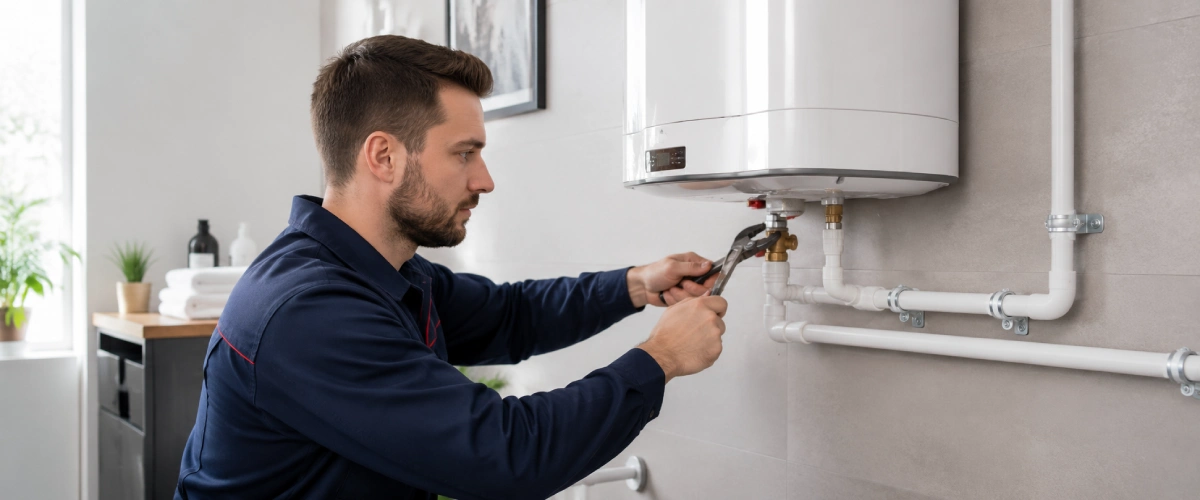
You may need to install a new water heater in your newly constructed home. Alternatively, you may need to replace your existing water heater with a new one due to various reasons. They can be your water heater getting old, corrosion, a lack of proper heating, or insufficient water storage. The best option for the heater’s installation is to seek expertise from a specialist Orange County plumbing service like Parzival Plumbing.
The service’s specialists have the necessary plumbing tools, experience, and skills. Therefore, they will perform safe and efficient installation, repair, and maintenance of various water heating and drainage systems. You can opt for the company’s same day plumbing services to perform a safe and successful water heater installation in Orange County, as per your convenience. In case you want to install the new water heater yourself, you can use these do-it-yourself water heater installation tips.
DIY Steps for How to Install a Water Heater with a Tank
Get All the Tools
Firstly, you should have all the necessary plumbing tools with you. They include pipe cutters, wrenches, screwdrivers, a level, Teflon tape, and safety gear.
Maintain Safety Precautions
- This includes turning off all power, or gas supplies as well as water supplies to the unit before you start work. Moreover, make sure the water in the tank is cool before draining it to prevent scalding.
- Moreover, wear safety gear, including gloves and protective gear for the eyes.
If you are unsure about working with gas or complex electrical connections, it is better to consider hiring an emergency plumber from Parzival Plumbing.
Preparation and Removal of the Old Unit
Make sure the dimensions and specifications of the new heater meet your home’s requirements and local building codes. Prepare the installation area, including ensuring a level base and adequate clearance.
- Turn off the supplies, including the main valve, circuit breaker, or gas.
- The next thing to do is to drain the tank.
- Now, disconnect the water lines, including both hot and cold water as well as the power or gas supplies.
- Take somebody’s help to remove the old unit. Use a hand truck or appliance dolly for this task.
Install the New Unit
Now, position the new heater in the right spot. Moreover, make sure it is at the right level and positioned in a correct manner.
- Then connect water lines by wrapping the thread of fittings with Teflon tape. Moreover, apply pipe joint compound for a tight seal. Connect the hot and cold water lines to the new unit’s inlet and outlet fittings as per the manufacturer’s diagrams.
- Finally, install the T&P relief valve into its designated socket and attach a discharge pipe.
- Connect Power or Gas
In the case of an electricity-driven water heater, reconnect the power wires to the terminals using wire connectors and secure the ground wire. Power should be off during this process. - In the case of a gas-operated heater, reconnect the gas supply lines. Moreover, make sure all connections are tight. Use a soap and water solution to check the heater for any leaks.
- Final Steps & Testing
Fill the tank and open the cold water supply to the unit. Furthermore, open several hot water faucets in the house. Let the water run till it flows steadily without causing any air bubbles. This indicates the tank is full. Turn off the power or gas before the tank gets full. - After the tank is full and air is purged, close all the faucets. Restore power or light the pilot light for a gas heater. The unit will begin heating the water.
- Moreover, set the thermostat to a safe and efficient temperature.
- Check all new connections for any water or gas leaks and resolve them immediately.
DIY Steps for Tankless Water Heater Installation
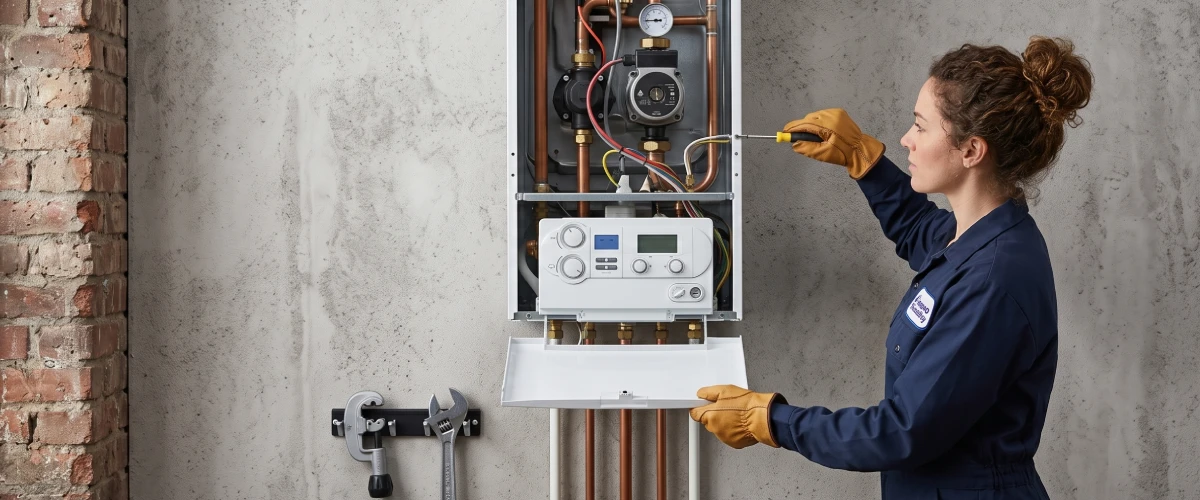
DIY installation for a tankless water heater is quite different and increasingly complex than a water heater with a tank installation. For its installation, experienced homeowners only need to perform a simple swap. But tankless water heaters often require major upgrades for various reasons. They include gas lines and electrical wiring for electric models. Moreover, they can include complex venting for gas. Therefore, tankless water heaters require professional plumbing expertise to meet local codes and prevent issues like fire or carbon monoxide.
Pre-Installation Steps for Tankless Water Heaters
- Read the manual thoroughly to understand the particular requirements of your model.
- Check for any local codes as permits, particular valves, or venting rules are usually mandatory.
- Review the infrastructure to ensure your gas line or electric panel can support the new unit.
- Gather necessary tools and materials to perform the installation. They include wrenches, pipes, fittings, a gas leak detector, etc.
Installation Steps
- Turn off the electricity at the breaker and water supply to the old heater.
- Disconnect and remove the existing water heater in a safe manner.
- Mount the new heater securely on the water to ensure proper clearances.
- Attach cold inlet and hot outlet lines with the help of flex lines or copper. Install the required pressure by using flow valves. Moreover, use sediment filters to prevent the entry of rust, dirt, and grit into the heater
- The next thing to do is to install a PVC or stainless vent pipe in the case of gas-operated heaters.
- Finally, in the gas-operated heaters, run a new line to the unit. Furthermore, install a sediment trap and check for leaks. In the case of an electric heater, connect it to the dedicated circuit.
- Then turn the water on in a slow manner and run hot water from the faucets until the air is gone.
- Finally, restore power, follow the start-up sequence, set the temperature, and check for any leaks. Moreover, check that the heater is operating in the desired manner.
Important Considerations for Water Heater Installation Tankless
- Installing a tankless water heater yourself may give rise to gas leaks and electrical issues. Therefore, hiring seasoned plumbing professionals is the better and safer option.
- Gas unit venting, particularly for indoor units, is complex and critical for safety.
- High water pressure needs a regulator.
- These DIY water heater system installation tips for beginners can be useful when you attempt to install your tank or tankless water heater yourself.
Potential Issues with DIY Installation
But things may not go as expected in your installation process due to various reasons. These include improper gas or electrical connections, incorrect plumbing, or failure to test safety valves. You may also ignore local codes or permits during the installation process. Moreover, improper installation can leave the manufacturer’s warranty void.
Prefer the Better Installation Option
Therefore, plumbing professional services like Parzival Plumbing that offer 24 x 7 emergency plumbing services in Mesa Verde are the highly recommended option. Their experts will carry out your water heater installation safely and properly. Moreover, they will take measures to maintain compliance and warranty. Hiring these plumbing services provides various advantages to homeowners. These include plumbing expertise, proper installation, efficiency, safety assurance, accountability, and peace of mind.
Final Thoughts
Using DIY methods for a tank or tankless water heart may seem to be the convenient option for you. But to do the installation in a successful, safe, and proper manner, you ought to have the right plumbing tools and expertise. Therefore, the better choice is to hire the services of an expert and trusted plumbing company like Parzival Plumbing. With its services, you can rest assured that you will get a safe, efficient, and hassle-free water heater installation experience.